 Prescott Septic Install
Septic system installation in Prescott and Yavapai County
Updated
Installing a septic system in Yavapai County means a site evaluation, a system design, a county permit, excavation, the tank and drain field, and a final inspection. A licensed CR-41 installer handles the job, and the site decides whether you need a conventional or an engineered system.
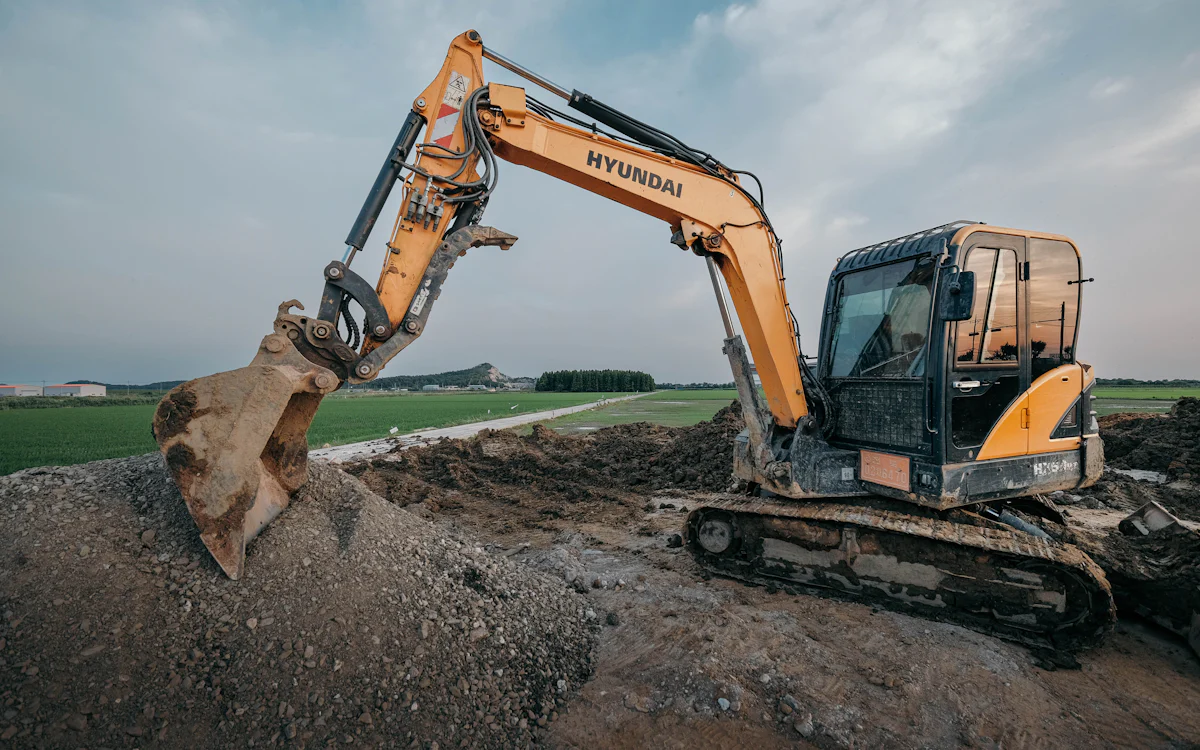
What an installation normally includes
In general terms, a septic installation covers:
- Site evaluation of the soil and the lot.
- System design suited to the property.
- A county permit. Yavapai County runs its own delegated septic permitting program, with separate tracks for conventional and alternative systems. (Source: Yavapai County, Septic System Construction page, checked October 2026.)
- Excavation.
- Tank and drain field installation.
- Inspection of the finished work.
The exact steps, their order and how long they take are set by the installer and the county for your property. We do not publish timelines.
Conventional versus engineered systems
A conventional system uses a septic tank and a drain field. Where the soil or terrain cannot support a conventional design, the property needs an engineered or alternative system, which costs more and goes through a separate county permit track.
- Conventional system, fully installed in Arizona: $12,000 to $25,000. (Source: SewerTime 2026 septic cost guide, from a Phoenix-area installer, checked October 2026.)
- Alternative or engineered (ADEQ Type 4) system: $20,000 and up. (Source: SewerTime 2026 septic cost guide, from a Phoenix-area installer, checked October 2026.)
Which site conditions call for an engineered system?
Conditions such as caliche or clay soil, a small lot, a high water table or a nearby well can push a property toward an engineered system. (Source: SewerTime 2026 septic cost guide, from a Phoenix-area installer, checked October 2026.) 20 different types of alternative system are approved for use in Arizona. (Source: Septic System 101 homeowner manual by the Arizona Onsite Wastewater Recycling Association, with Yavapai County Environmental Unit contributors (undated), checked October 2026.) You will not know which system your property needs until a licensed installer evaluates the site.
The license your installer needs
Arizona septic installers must hold the Registrar of Contractors CR-41 Septic Tanks and Systems license: a dual classification covering commercial (C-41) and residential (R-41) work; a general plumbing license does not qualify. (Source: Arizona Registrar of Contractors license classifications, checked October 2026.) Ask any installer for their ROC license number and check it on the Registrar of Contractors website. We check the license of every installer we work with; see how installers are checked.
Costs
Yavapai County charges $550 for a conventional residential septic permit and $1,050 for an alternative or engineered system, each plus a $10 document fee. (Source: Yavapai County Development Services fee documents, revised May 2025, checked October 2026.) For installed price ranges and worked examples, see the septic installation cost guide.
Common questions
Can a plumber install a septic system in Arizona?
Not on a general plumbing license. Arizona septic installers need the Registrar of Contractors CR-41 Septic Tanks and Systems license: a dual classification covering commercial (C-41) and residential (R-41) work; a general plumbing license does not qualify. (Source: Arizona Registrar of Contractors license classifications, checked October 2026.)
Why might my property need an engineered system?
Conditions such as caliche or clay soil, a small lot, a high water table or a nearby well can push a property toward an engineered system. (Source: SewerTime 2026 septic cost guide, from a Phoenix-area installer, checked October 2026.) The installer's site evaluation decides which system the property needs.
How much does it cost to install a septic system in Arizona?
Published Arizona prices for a conventional system fully installed run $12,000 to $25,000, and engineered systems $20,000 and up. (Source: SewerTime 2026 septic cost guide, from a Phoenix-area installer, checked October 2026.) The actual price comes from a licensed installer after a site evaluation.